A Full Wardrobe and Nothing to Wear: DeCluttr Me founder Shelina Jokhiya on how to streamline your wardrobe
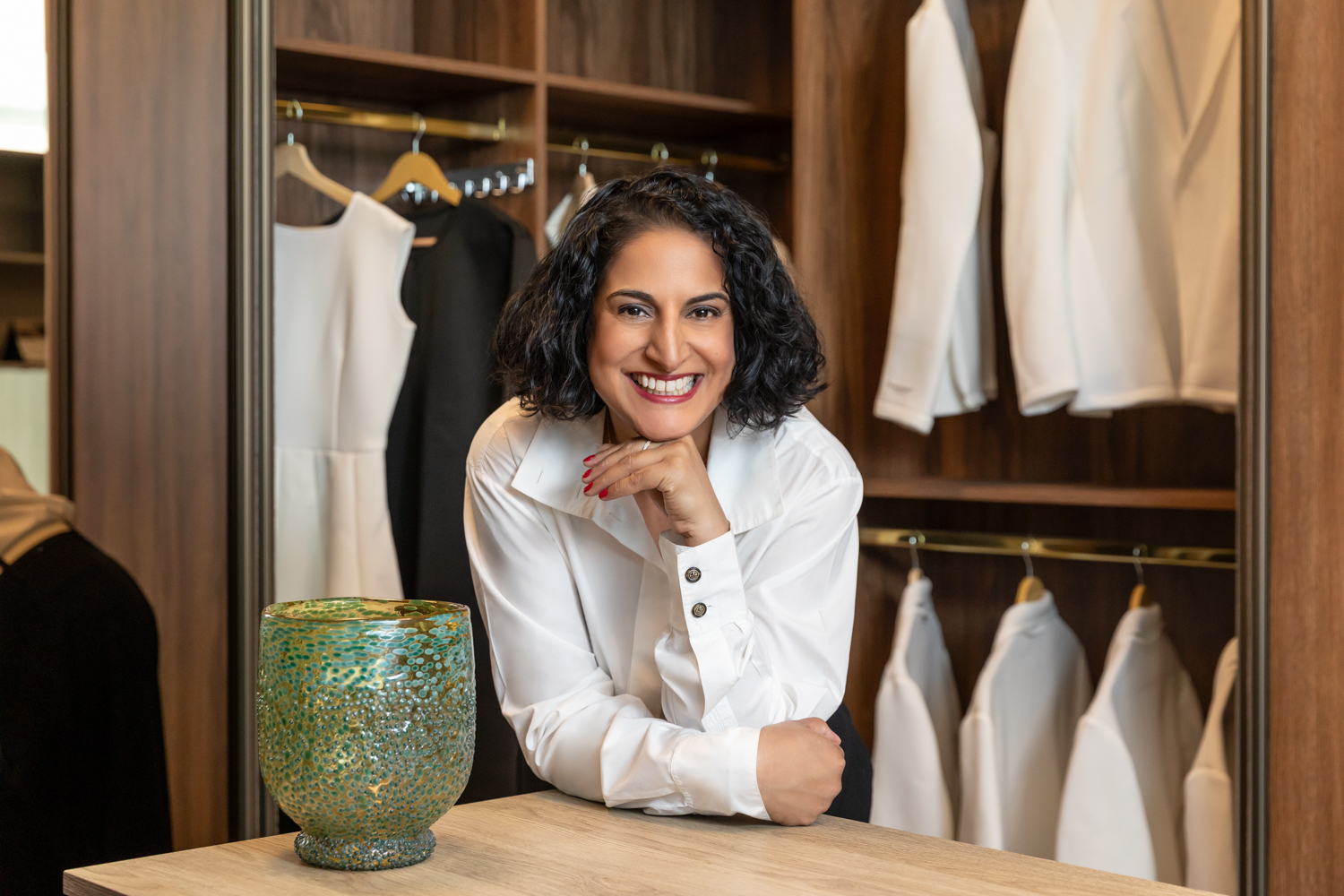
There's almost a sinking feeling when you stand in front of an overflowing wardrobe each morning, and somehow, still have nothing to wear. The rail is full, shelves are full, and there you are, standing and thinking that you need to go shopping on the weekend.
Shelina Jokhiya knows this well. As the founder of DeCluttr Me, she walks into these wardrobes almost daily, especially with more and more people wanting to "streamline, hold onto less and generally feel lighter." Clutter, Shelina points out, is often more than just physical: "Clutter creates visual noise, which quickly turns into mental noise." Order does the reverse, restoring a sense of control when everything outside the front door refuses to cooperate. You can't govern what's happening in the world, she tells clients, but you can govern what happens inside your own four walls, and a calm, ordered home helps you think more clearly, sleep better and feel more grounded.
The fast-fashion trap
If there's a single culprit behind the chaos, it's fast fashion, and nowhere is it more seductive than here. In the UAE, Shelina notes, shopping is a popular leisure activity, with constant access to sales, new collections and online drops. You buy something because it's cheap or on trend, wear it once or twice, and then it hangs around in your closet: too inexpensive to feel any urgency about, and too guilt-inducing to let go of.
The result is a paradox she sees again and again: wardrobes holding hundreds of items and nothing that works together, because the quality is poor and nothing was chosen to sit alongside anything else. Mass-produced clothing dates quickly, too. "The real cost is not just financial," she says; it's "the space it takes up and the decision fatigue it creates every single morning."

Making peace with letting go
The hardest part is rarely the sorting; in fact it is the guilt; the kind that clings to gifts, sentimental pieces and expensive mistakes. Shelina doesn't dismiss it, but she does reframe it: the money is already spent, and holding on won't bring it back; it only costs you space and mental energy on top. Better to treat letting go as something positive. Donate what no longer serves you and give it a second life with someone who'll genuinely appreciate it. And remember that you don't need to keep the object to keep the memory.
To decide what stays, she puts a handful of honest questions to her clients:
- Does it fit the person you are now, not the one you were three years ago?
- When did you last wear it?
- If you saw it in a shop today, would you buy it?
- Does it work with anything else you own?
- How does it make you feel when you put it on?
That last one matters the most - clothes should make you feel good. If something leaves you feeling frumpy or not-quite-right the moment it's on, that feeling mustn’t be ignored. She asks about lifestyle, too, because so many of us keep clothes for a life we're no longer living - eg, office wear from a job left years ago, or occasion pieces for the kind of events we don't attend any more. Your wardrobe, she insists, should reflect your actual life, not an imaginary one.
Shopping mindfully
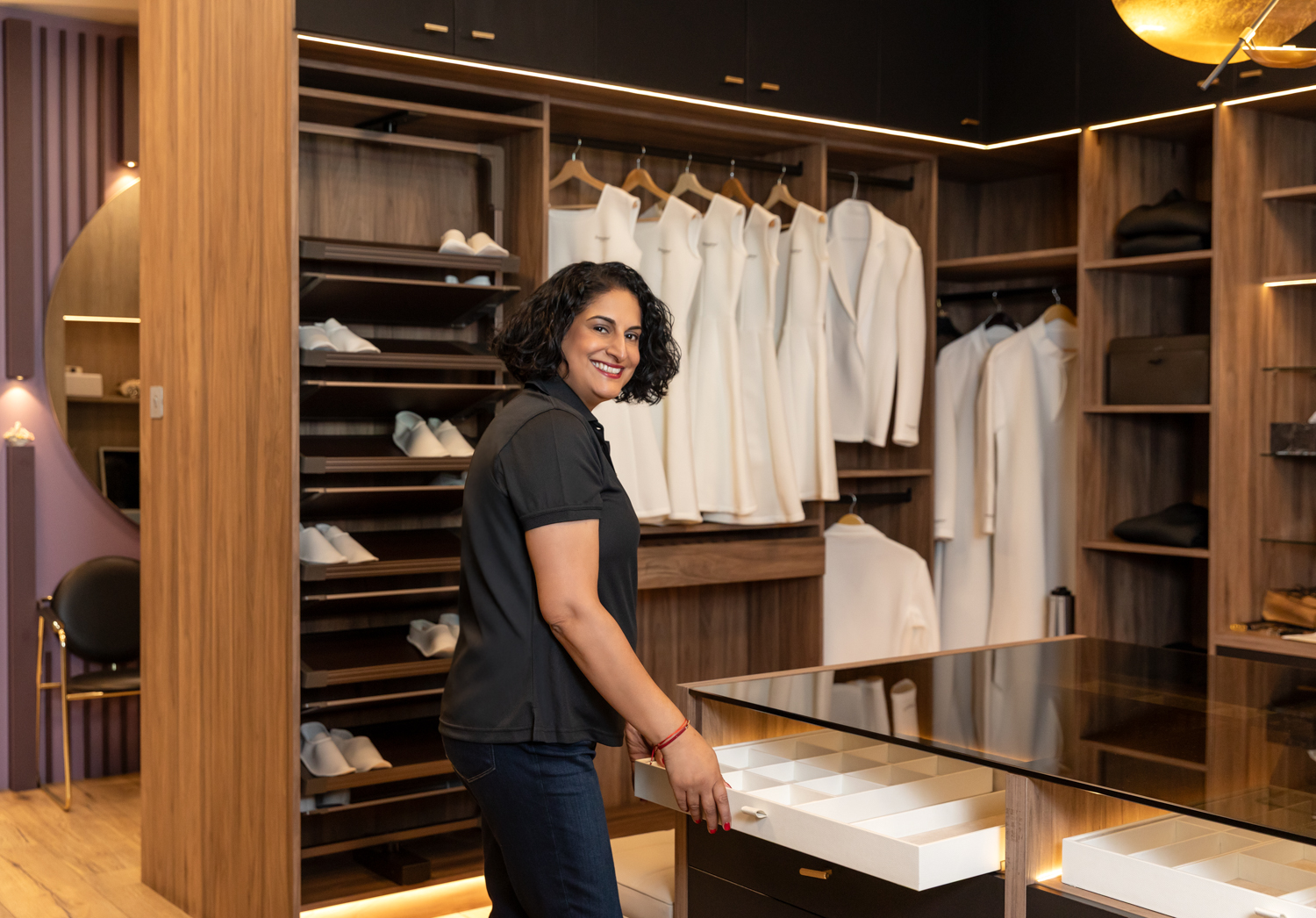
None of it matters if the old habits keep creeping back, so the real work begins before you open your wallet. Introduce a 'pause' not a guilt trip, just taking a moment to ask: Do I need this? Do I love it? Where will it live? And the question most people skip: do I already own something similar?
The rest of her rules are equally simple and effective. One in, one out, especially with clothing; if something new comes in, make sure something else goes out. For bigger purchases, wait 48 hours; if you still want it two days later, it's a considered choice rather than an impulse. And never underestimate the power of a shopping list. Walk in with intention, online or in person, and you'll be much harder to derail.






.jpg)
