#INTERVIEW: Egor Sharay on Dubai’s Cultural Renaissance and the Art of Wealth
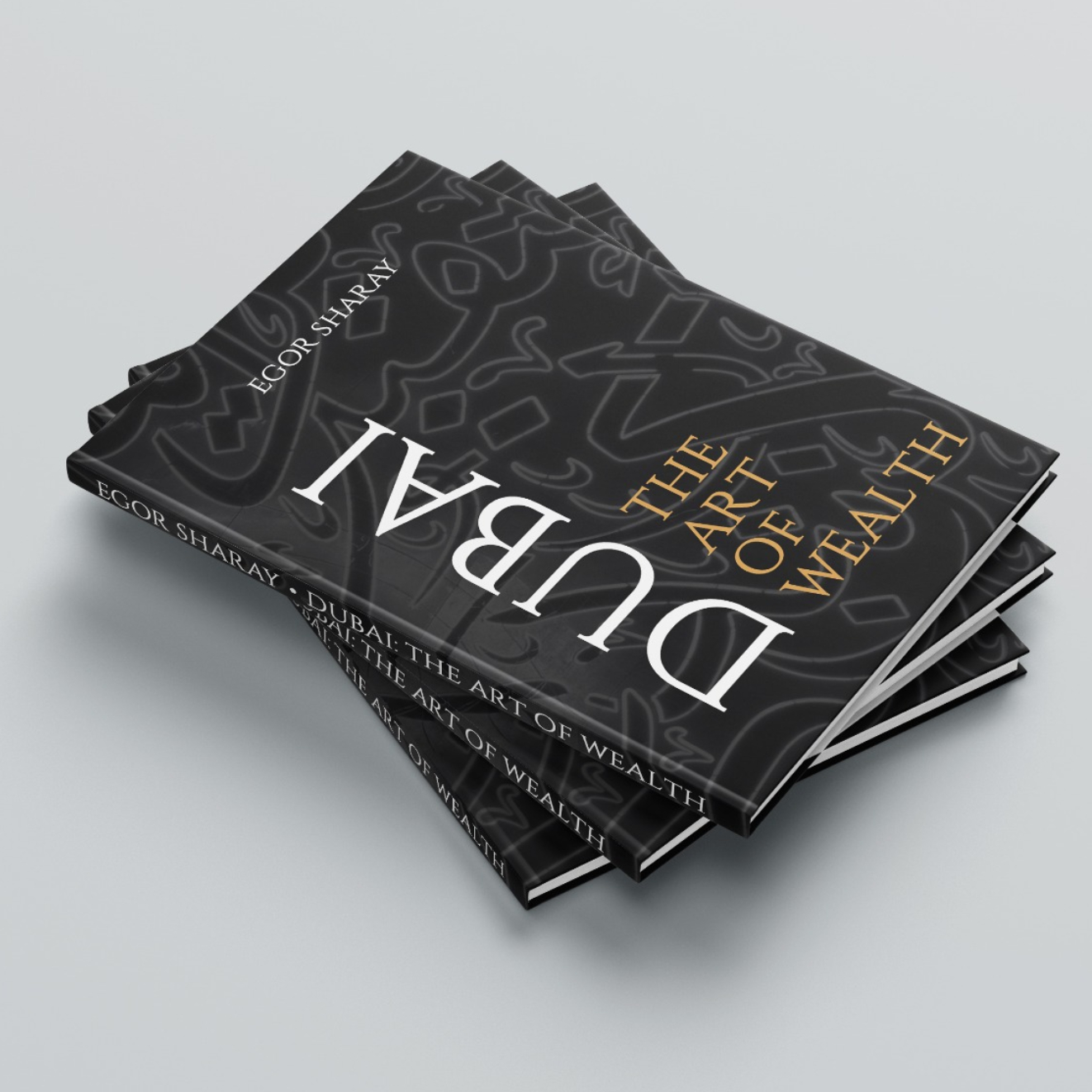
At a moment when the Middle East carries the weight of its own headlines, there is something quietly radical about a Dubai-based journalist choosing to write about beauty, culture, and transformation. Egor Sharay has spent 25 years telling the stories of this region — and his new book is an argument, made with evidence and conviction, for why the UAE's cultural renaissance may be the most important story of our time. Right now, that argument feels less like commentary and more like a cause worth standing behind.
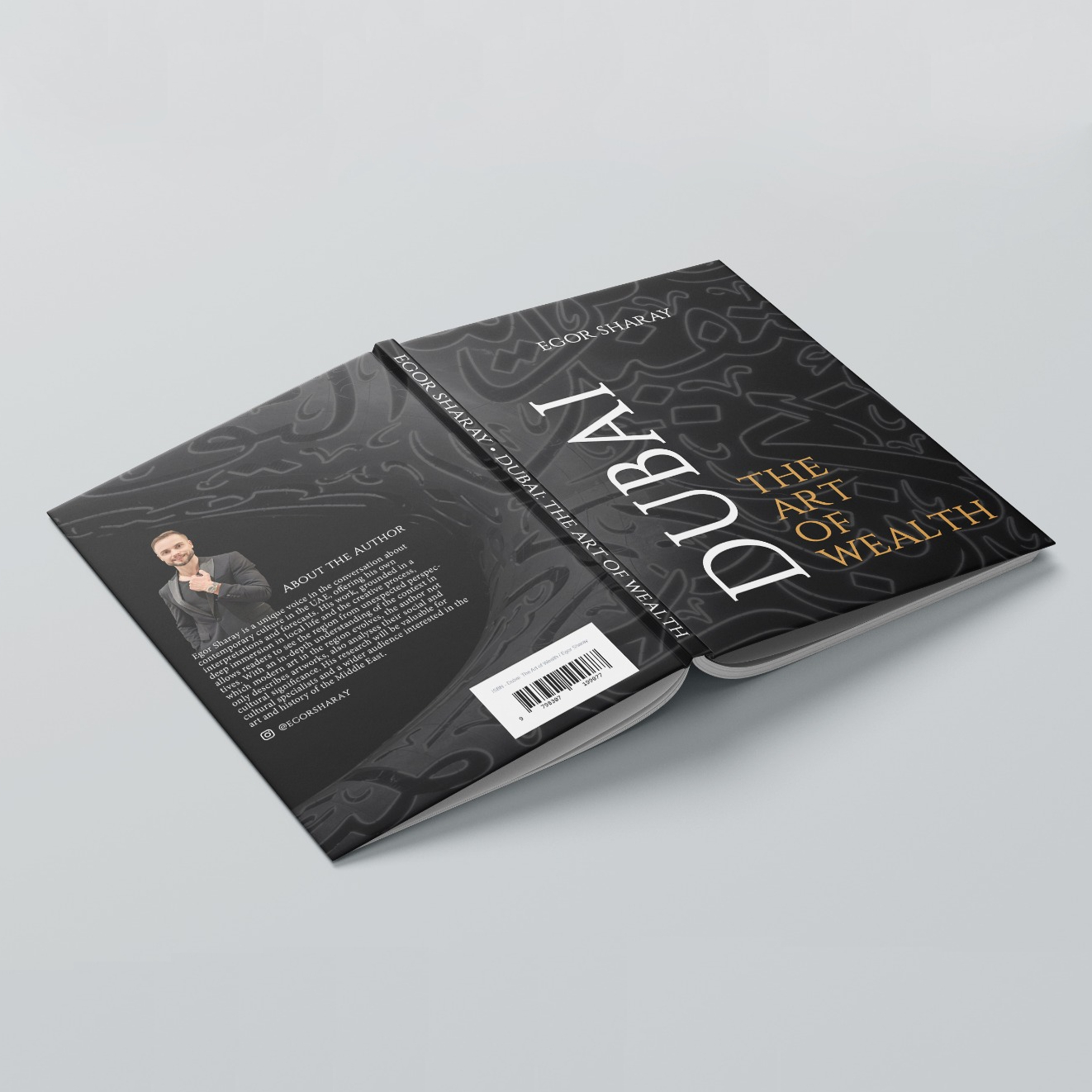
Delna Mistry Anand: Egor, after 25 years in journalism, a book was inevitable. In ‘Dubai: The Art of Wealth’ are you about to reveal the secret formula for becoming a millionaire?
Egor Sharay: (Laughs) I wish I could! But no, if that’s what you’re looking for, you’ll be disappointed; I haven’t become rich yet. The title is a deliberate play on words, a little provocation. It’s not about acquiring wealth; it’s about what Dubai and the UAE are doing with their wealth. They’re transforming petrodollars into cultural capital. The book explores why a government invests billions in museums such as the Louvre Abu Dhabi or the Museum of the Future, and why it pours resources into art festivals and biennales. It’s for people who want to understand the cultural shifts happening in the Gulf, not for those looking for stock tips.
You've spent 25 years telling the story of this region and right now, the Middle East is generating a very particular kind of news. What does it mean to you to be writing about beauty, culture and transformation at this specific moment in time?
It’s my perspective built on decades of work, not a sudden epiphany. These aren’t abstract theories. They’re conclusions drawn from countless interviews and meetings with the people actually building this new reality – the artists creating it, the gallery owners curating it, and the cultural officials commissioning it. The book is my way of connecting the dots between their visions and the dynamic cultural landscape we see today.
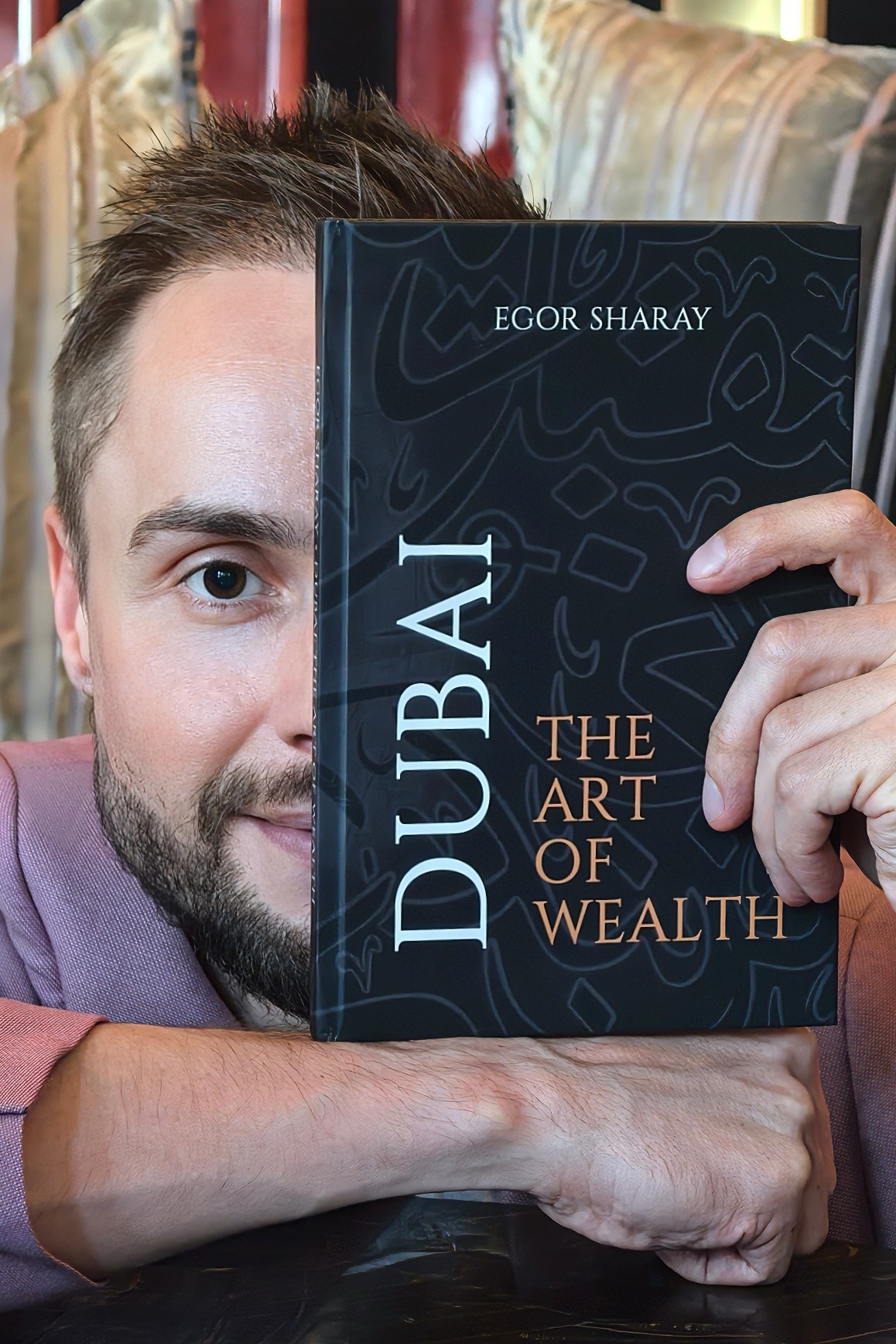
It’s a niche topic, though. Art and culture enthusiasts are a small, specific community. Did you write this with an eye on the bestseller list, or was there another motivation?
You’re right. If I had wanted mass-market sales, I would have written a novel or a thriller. Honestly, there was no commercial target from the beginning. There comes a point when you’ve gathered so much material over the years - so many stories, insights and observations, that you simply must get it out of your system. You want to create something more permanent than a magazine article. The book practically wrote itself in under a year because I was drawing on information collected over a lifetime in journalism. My passion has always been to support artists and cultural initiatives, simply because I love the energy, it inspires, motivates and provokes thought. But after a few months, I was shocked to see the first 1,000 copies sell out. The feedback revealed something else: people appreciate the book because it explains art in a very simple, accessible way. More importantly, it shows why all of this matters on a practical level - how art and cultural initiatives can be leveraged and can empower communities and individuals.
When you use terms such as “leverage” and “empower,” are you talking about return on investment from culture?
Precisely. We’re talking about the creative economy. This isn’t just about pretty paintings on a wall; it’s an economic sector. Globally, it already contributes 5–7% of GDP in places such as South Korea, the UK and several European nations. Dubai has an ambitious plan for 5% of its GDP to come from creative industries – music, art, festivals, film and social media content. That’s a tangible, measurable goal. It proves that art and culture are now being considered at a rational, strategic level, not merely as a matter of personal taste. And when I talk about “empowerment”, I mean soft power... cultural diplomacy. It’s about shaping how the world perceives you. The Korean cultural wave (K-pop, for example) is a perfect illustration. That’s the kind of global influence the UAE is strategically building.
You compare the current moment in the UAE to the European Renaissance. That's a bold claim. Make the case.
The parallel lies in the worldview. The Renaissance placed the individual - the artist, the thinker, the creator, at the very centre of society…it was a humanistic shift. That’s exactly what’s happening here. Sheikh Mohammed bin Rashid Al Maktoum famously said, “The greatest asset of any nation is its people.” The UAE is investing in infrastructure, yes, but it is also investing in human potential. It is creating an environment where creative individuals can thrive, not just businesses. Just as Florence and Venice became city-states that fuelled a cultural explosion, Dubai and Abu Dhabi are becoming global hubs that attract talent not with oil, but with opportunity and a vision for the future.
The UAE is home to more than 200 nationalities. How does this hyper-diversity influence the art being created here?
It’s the single most defining characteristic. Her Highness Sheikha Latifa recently spoke about this at Davos – how Dubai’s model is unique because it does not force people to assimilate. Instead, it respects and even celebrates their individual cultural identities. This creates a fascinating cultural ecosystem. An artist from India, a calligrapher from Iraq and a digital creator from Brazil are all living and working together. Their art inevitably begins to reflect that dialogue. It’s not a melting pot that turns everything into a grey soup; it’s more like an intricate mosaic or a vibrant oriental, where each unique thread contributes to a richer and more complex overall pattern. This art becomes a living conversation between East and West, tradition and modernity.
The book is filled with fascinating anecdotes. Is there one story that, for you, perfectly encapsulates this “Art of Wealth” idea?
I love the story of Spanish street artist Ruben Sanchez. His journey to Dubai began with a direct email – from none other than Her Highness Sheikha Latifa bint Mohammed Al Maktoum. She saw his work online, admired it, and personally invited him to the UAE to paint murals and even give workshops to children. That story is remarkable on many levels. It shows the personal engagement of the leadership. It demonstrates that the doors are open to global talent. And it proves that investment in art is as much about community and education as it is about creating a beautiful city. That’s the “art of wealth” in action – using resources to curate and cultivate a vibrant cultural scene.
Art has always outlived conflict. It carries memory and tells the story. What according to you, is the most important story culture is telling, and who is it telling it for?
Culture shapes everything. It shapes our cities, our values and our collective identity. What’s happening in the UAE is a real-time experiment in building a new kind of society – one that is technologically advanced yet deeply connected to its heritage, and one that is hyper-diverse yet socially cohesive. This isn’t just about art for art’s sake. It’s about creating a future in which technology and human values coexist, where a thriving economy is balanced by a rich cultural life. Whether you’re interested in business, technology, society or simply understanding the world we live in, the story of the UAE’s cultural renaissance is one of the most important and exciting narratives of our time. My book is an invitation to look beyond the glossy photographs and see the profound transformation taking place.