#INTERVIEW: How Sumac's Meal Kits Are Helping Dubai Families Reconnect With Their Cultural Roots
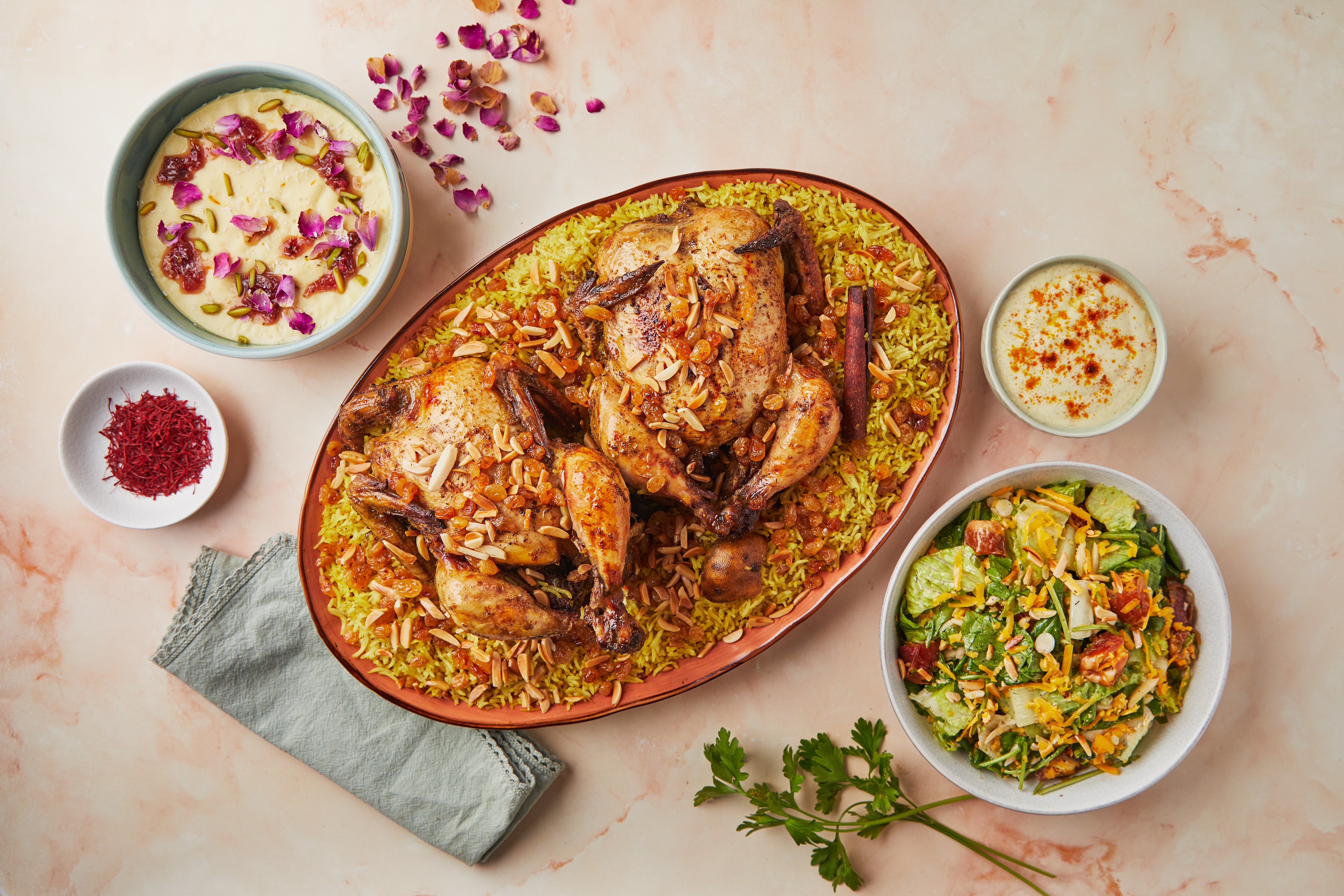
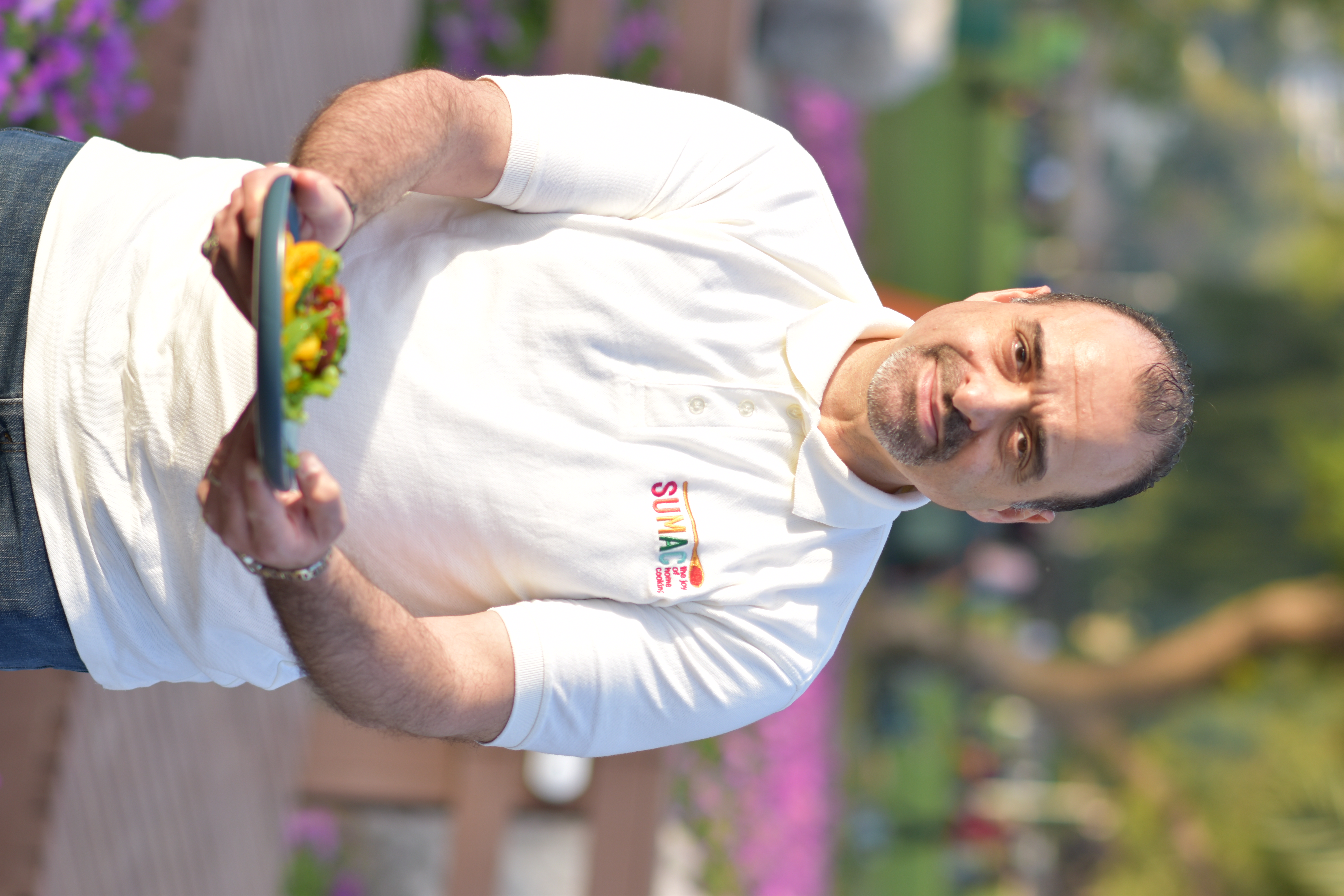
For many, food is more than just sustenance; it is memory, identity, lineage and the thread that connects a family to its roots. For Maan Sardast and Hania Maraqa, the founders of Sumac, that belief became a business. Three years ago, they launched a ready-to-cook meal kit service rooted in authentic Arabic cuisine, born from a chemical engineer's 20 years of culinary research and a working mother's refusal to let her daughters grow up without the flavours of home. Maan and Hania share their thoughts about why reclaiming your kitchen is one of the most meaningful things you can do.
L’Officiel Arabia: What inspired Sumac?
Maan: Food has been a lifelong study. Watching my grandmothers transform simple ingredients into culinary wonders inspired me to spend over 20 years travelling, tasting and documenting global cuisines. I applied my background in Chemical Engineering to this passion, meticulously refining over 300 recipes into reproducible formats, resulting in two cookbook manuscripts: one dedicated to traditional Arabic heritage, and the other to modern fusion.
Hania: The catalyst was the reality of modern city living. As a full-time working mother with modest cooking skills, I wanted my daughters to grow up with the same authentic food that defined my childhood in Amman. During 2020, we realised that even with recipes and ingredients available, the mental load of planning and prep often led us to food delivery. Something vital was missing…the aroma in the house, the culture of dining and the stories behind the plate. Our daughter Yasmine missed cooking with her father. We missed the soul of dishes like Stuffed Zucchini and Molokhiya. That was the gap. I suggested converting Maan's manuscripts into ready-to-cook kits. We started with 40 and today we offer over 200.
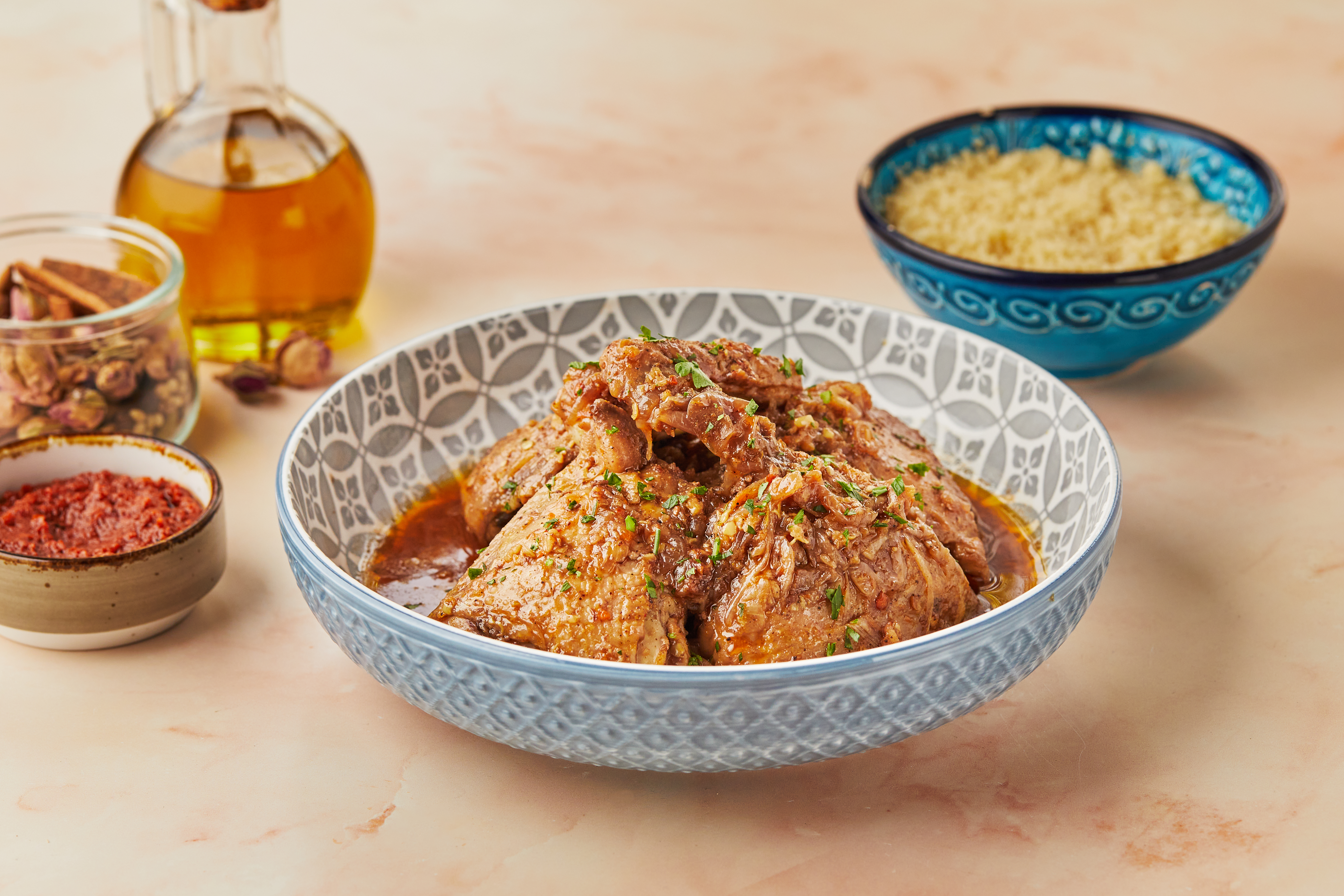
Tell us how Sumac is helping families reconnect over home cooking in Dubai?
In a fast-paced city where long commutes and demanding careers push families toward impersonal takeout, Sumac acts as the bridge between convenience and the dining table. By handling the sourcing of premium regional ingredients and the complex prep work, we give parents back the hour they would usually spend in the kitchen, redirected toward conversation and connection. Our recipes aren't just meals, for us they are stories. By documenting traditional recipes inherited from previous generations, we help families stay connected to their roots and pass those flavours down to their children.
What does home cooking mean today in a delivery-first culture?
Home cooking has evolved from a daily chore into an intentional act of wellness and connection. While apps offer speed, they often lack the soul and transparency of a home-cooked meal. Home cooking today is about knowing exactly what goes into your food, prioritising quality over convenience, and the family dining table over the delivery notification. It is, in many ways, a challenge to the world of digital noise.
Can cooking at home be seen as a form of self-care?
Absolutely, and one of the most fundamental. The rhythmic nature of chopping vegetables, the aroma of sautéing spices, the focus required to follow a recipe, these are a form of active mindfulness, like a mental reset. When you have invested time and care into preparing a meal, you are naturally more inclined to eat mindfully, savour the flavours and listen more closely to your body. And when you set a no-screen rule during prep and the meal itself, you create a sanctuary from digital noise and a space for emotional decompression as well as for a deeper connection with the people around you.
How do you make meal kits stand out as an experience, and not just a regular product?
By focusing on the emotional and cultural journey from the moment the box is opened to the final dish. Every recipe card is a piece of history, we include the story behind the dish, the significance of the ingredients, and tips on regional variations. This turns a Tuesday night dinner into a lesson in cultural preservation. We also design our kits to be inclusive, when the prep is simplified, it invites the whole family into the kitchen. The product becomes the catalyst for a shared experience. It is about the laughter and conversation that happen over the stove.
What's next for Sumac?
Our core strategy remains rooted in authentic Arabic cuisine: bringing more forgotten regional recipes to modern tables. We are also expanding into corporate wellness, offering wholesome catering for business lunches and daily staff requirements. And on a personal note, Sumac is more than a business. For us, it is a legacy. I am building this with the hope that my daughters, especially Yasmine, who is already engaged in the process, will one day take over. The future of Sumac feels incredibly bright and deeply personal.






.gif)